3-3-3 Rule for Puppy Training: Days, Weeks, Months
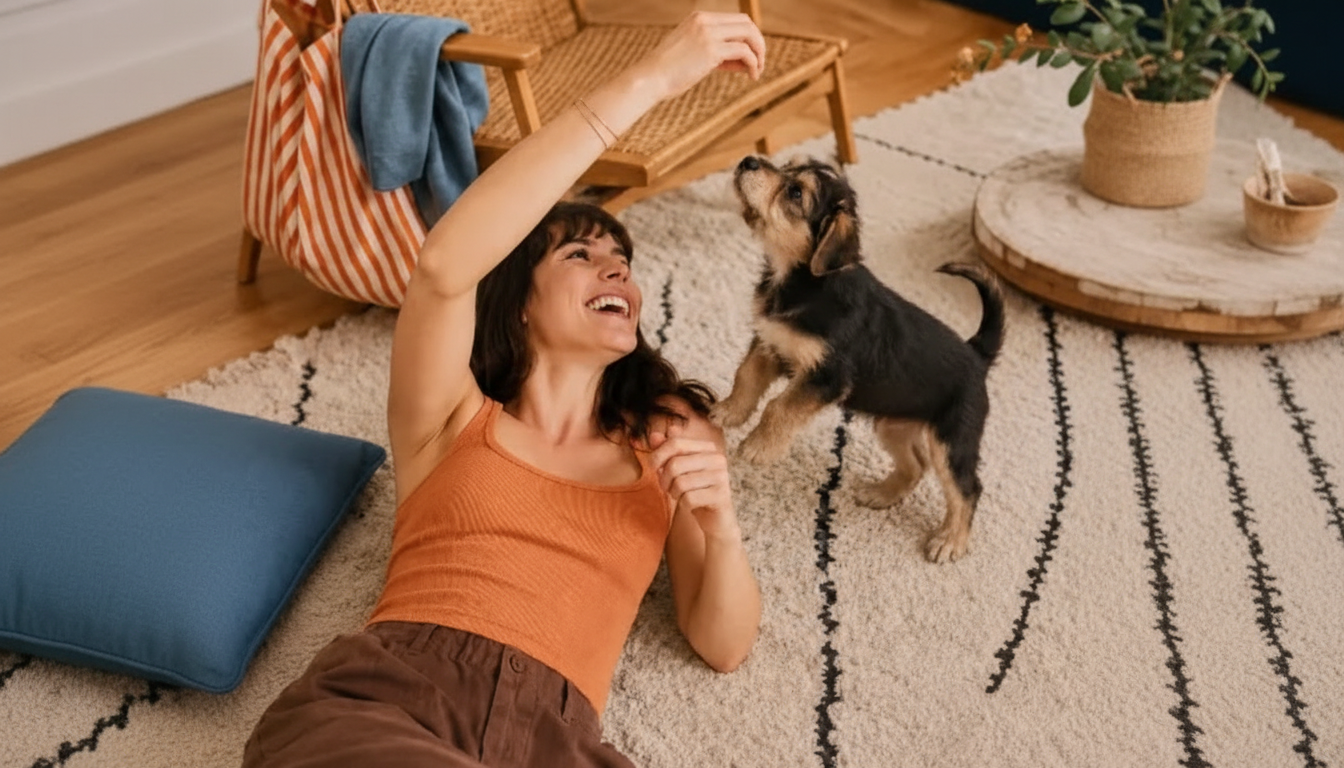
What is the 3-3-3 rule for puppy training?
The 3-3-3 rule is a simple way to understand how many puppies adjust to a new home over time: roughly 3 days to decompress, 3 weeks to start settling into a routine, and 3 months to feel fully at home. While it’s often discussed for adoption and acclimation, it’s also a practical training guide because behavior and learning tend to change as your puppy feels safer and more comfortable.
How the first 3 days affect training
During the first few days, many puppies are overwhelmed by new sounds, smells, people, and schedules. Training should be light and supportive: focus on calm routines, frequent potty breaks, gentle introductions, and rewarding basic choices (like coming to you or sitting). If your puppy seems extra shy, clingy, or restless, it’s usually adjustment—not “stubbornness.” Keep sessions short, use high-value treats, and prioritize sleep and predictability.
What to expect by 3 weeks
By about three weeks, your puppy typically starts understanding the household rhythm—when meals happen, where to potty, and who the safe people are. This is a strong window for building habits: consistent potty training, crate training, leash basics, and name recognition. You may also see more boundary-testing as confidence grows, so stay consistent with rules and rewards. If accidents or nipping pop up, treat it as feedback that the routine needs tightening, not punishment.
Why 3 months matters
Around three months in, many puppies feel truly secure and their personality shows more clearly. Training can become more structured with longer (still puppy-appropriate) sessions and added distractions. Continue socialization at a pace your puppy can handle, reinforce calm behaviors, and keep expectations realistic—progress often comes in waves.
For a deeper breakdown and practical steps to match each stage, visit the full guide on the 3-3-3 rule for puppy training.
FAQ
How long should puppy training sessions be each day?
Aim for multiple mini-sessions—about 3 to 5 minutes each, several times a day. Short, upbeat practice helps your puppy learn faster without getting tired or frustrated.










Leave a comment