Dog Road Trip Time Limits: Hours, Breaks & Safety
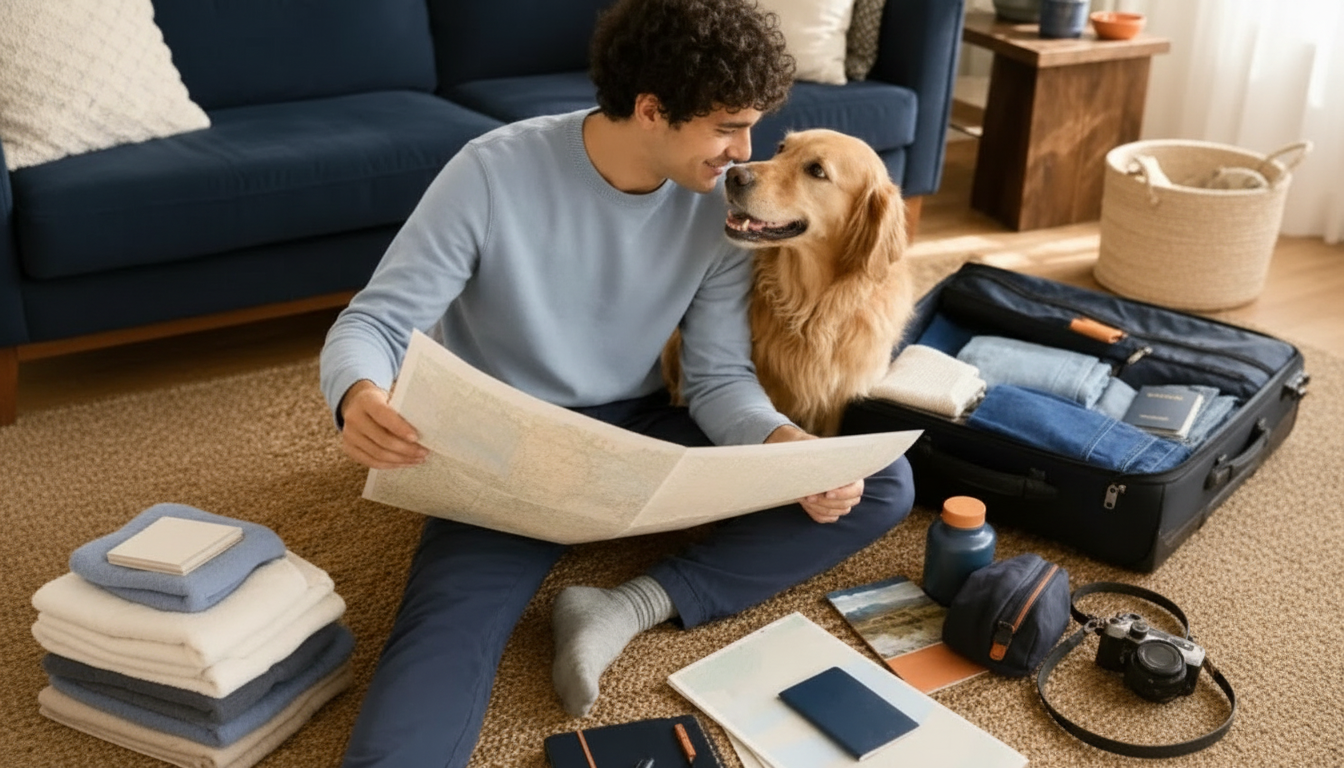
How long can a dog go on a road trip?
Most healthy adult dogs can handle a full-day road trip as long as you build in regular breaks, keep the temperature comfortable, and make safety a priority. A common rule of thumb is to stop about every 2–3 hours for a potty break, water, and a short stretch. Some dogs can comfortably ride 6–10 hours in a day with good planning, while others—especially anxious travelers—may need shorter segments.
What matters most isn’t just the total miles, but how the day is structured. Long, nonstop driving can increase stress, dehydration, and motion sickness, and it may be unsafe if a dog is unrestrained or overheating. Puppies, senior dogs, and dogs with medical conditions usually need more frequent stops and a more conservative schedule.
What affects how long a dog can ride comfortably?
Age, health, and energy level
Young puppies may need potty breaks as often as every 1–2 hours, and older dogs may get stiff or tired more quickly. Dogs with heart, respiratory, or joint issues may need shorter travel days and more rest.
Temperament and travel experience
A dog that’s used to car rides often settles in faster and can handle longer stretches. First-time road trippers may pant, drool, whine, or pace—signs they may need shorter drives and calm, frequent breaks.
Weather and vehicle conditions
Heat is a major limiter. Even with AC, direct sun and poor airflow can make a dog uncomfortable. Keep the cabin cool, offer water at stops, and never leave a dog alone in a parked vehicle.
How to plan a road-trip day with a dog
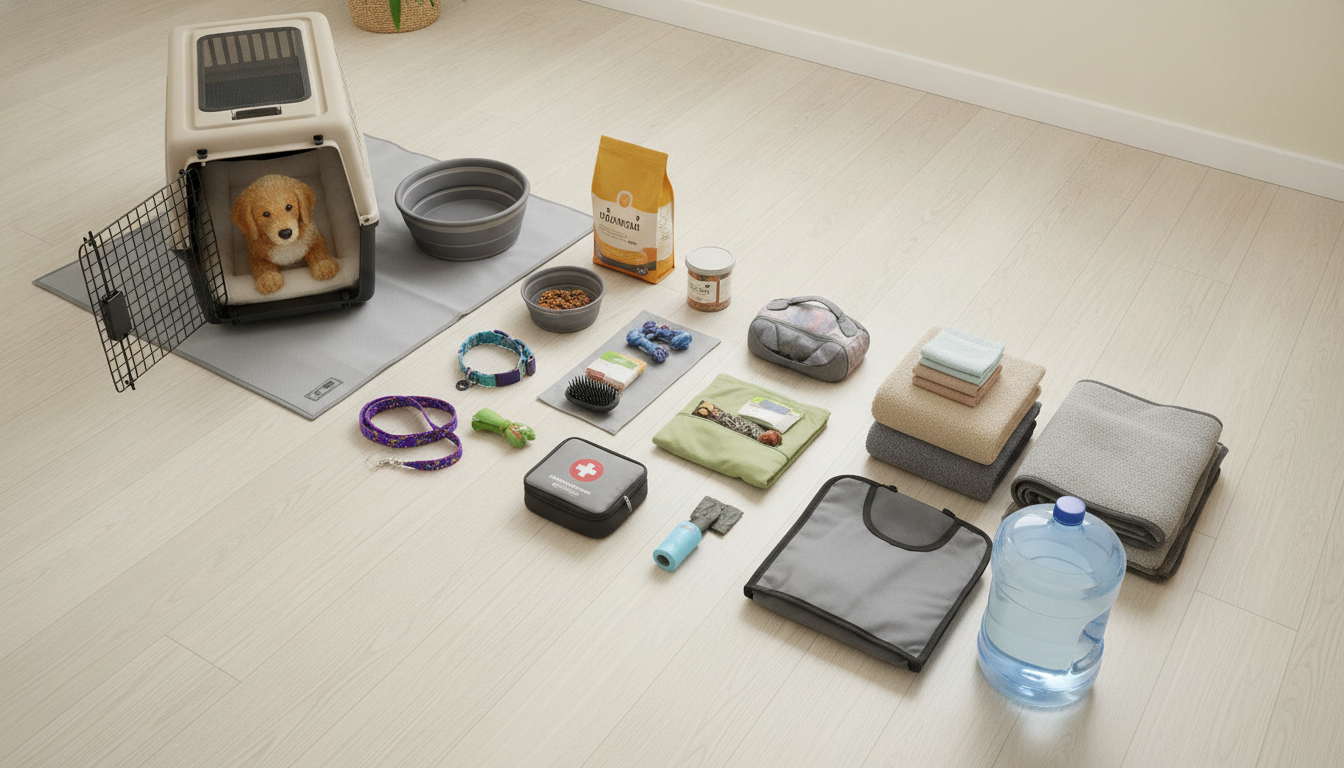
Aim for a steady rhythm: drive 2–3 hours, stop 15–30 minutes, repeat. Bring water, a bowl, waste bags, and a leash. Feed lightly before departure if your dog is prone to car sickness, and avoid vigorous exercise right after meals. For safety, use a crash-tested harness, secured carrier, or a barrier system so your dog can’t roam the cabin.
For a more detailed breakdown of drive times, break schedules, and comfort tips, visit this guide on how long a dog can go on a road trip.
FAQ
How often should you stop on a road trip with a dog?
Plan to stop every 2–3 hours for a potty break, water, and a short walk. Puppies, seniors, and dogs with medical needs may require stops every 1–2 hours.











Leave a comment